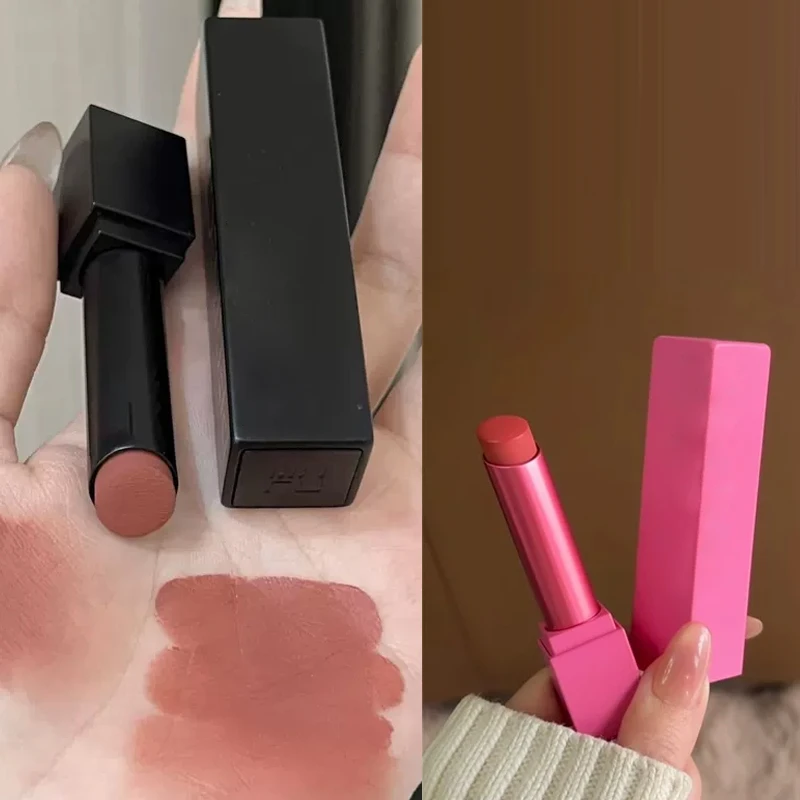
Against the backdrop of continuously tightening global environmental policies and increasing emphasis on sustainable development across various markets, cosmetic brands are also accelerating the deployment and upgrade of eco-friendly packaging. Among them, refillable packaging is becoming an increasingly popular direction: after purchasing the outer case once, consumers only need to replace the inner formula component afterward. This not only reduces the resource waste caused by repeatedly purchasing a full set of packaging but also better aligns with the current trend of green consumption. This type of design can not only actively respond to environmental demands and effectively reduce plastic waste generation but also allow consumers to more intuitively perceive the brand’s environmental actions during use, thereby enhancing brand recognition and favorability.
Real Consumer Feedback
Just today, I happened to see a consumer complaining on Douyin that after purchasing a refillable lipstick tube from a Chinese brand online and installing the refill by themselves, they found looseness and abnormal noise. When they asked the brand’s customer service, the reply was that it was a normal phenomenon due to the eco-friendly design. At first, I did not even react to that statement. In fact, it simply means that a refillable lipstick tube was designed for environmental protection purposes. At SamBound, we have also produced many lipstick tubes of this kind. Under normal circumstances, such issues should not be allowed, and looseness should not be acceptable. However, during production, it is also true that not 100% of designs can completely avoid abnormal noise. Occasionally, a few such issues may still occur. Based on the consumer’s video, there are several possible causes:
1. A quality control issue at the lipstick tube manufacturer, where inspection was not properly carried out during assembly, allowing defective products to reach the consumer.
2. The consumer used excessive force during installation, causing wear to the snap-fit structure.
3. Dropping caused damage to the snap-fit structure.
4. The product was assembled and disassembled too many times, while the retaining snap design was too thin or too small, or the material was too brittle and had aged.
However, regardless of the cause, if you are now also preparing to develop a refillable lipstick tube, then before formally moving forward, you must first think through the following 6 questions.
1. Is the Connection Method Secure Enough?
After the split structure is assembled, there must not be an obvious sense of looseness; otherwise, consumers will easily regard it as a quality issue.
2. Will Repeated Assembly and Disassembly Loosen It Over Time?
Refillable packaging is not assembled only once, so it is necessary to verify in advance whether it can still maintain stability after multiple assembly and disassembly cycles.
3. Is the post-assembly wobble within an acceptable range?
A slight clearance is acceptable, but it must not make the user clearly feel that it is “loose.”
4. Will There Be Abnormal Noise During Use?
Once a “clicking” sound appears, consumers usually directly interpret it as poor quality control.
5. Does the consumer need to install it by themselves?
If self-installation is required, it is necessary to consider whether users may mistakenly think the product has a problem.
6. Are There Prompts on the Packaging and Instructions?
Since it is a refillable design, it is necessary to explain it clearly in advance to reduce misunderstandings, after-sales issues, and negative reviews.
Faced with These 6 Issues, This Is Usually How SamBound Solves Them
1. Reinforce the retaining snap-fit structure of refillable lipstick packaging and avoid structures that are prone to wear.
2. While ensuring smooth assembly, reduce the assembly gap between components.
3. During injection molding, it is inevitable that a few problematic pieces will appear, especially during machine setup at the beginning of injection molding and during shift handovers, when unexpected situations may occur. After injection molding, assembled products are tested: those with abnormal noise are discarded, those with difficult insertion and removal are discarded, and those with looseness are discarded so that defective products are screened out.
4. It is recommended that brands provide some assembly instructions to tell consumers how to disassemble and install the refill to avoid violent disassembly.