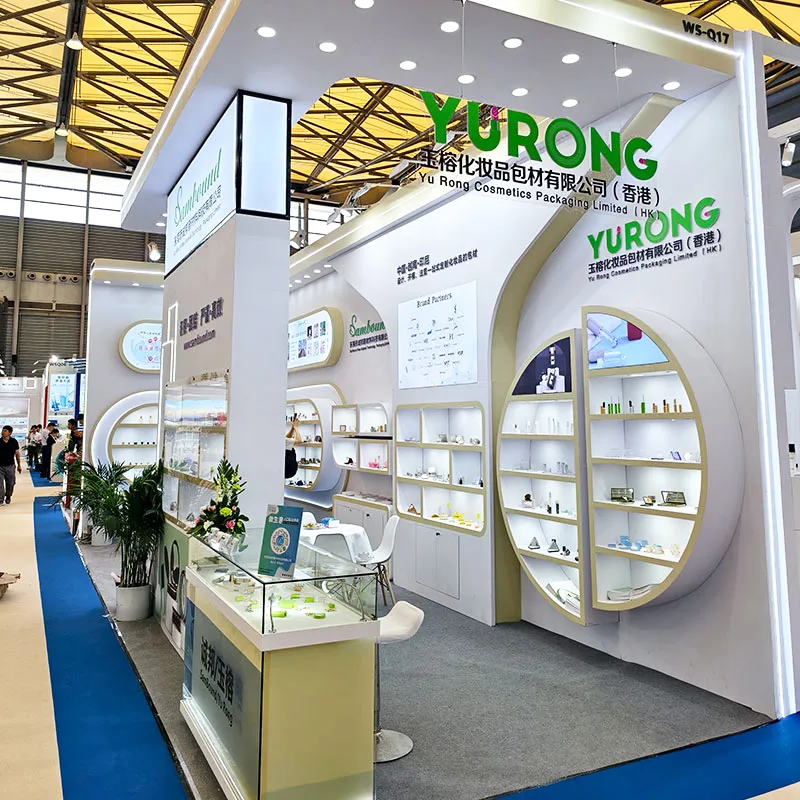
Astucci per ombretti in plasticasono il biglietto da visita della qualità del make-up. Non sono affatto semplici contenitori di stoccaggio. Molti acquirenti cadono ripetutamente in trappole a causa di una comprensione insufficiente dei materiali e dei processi di produzione. Questo articolo si concentra sulle considerazioni chiave per l'acquisto di imballaggi in plastica perastucci per ombretti, analizzando materiali, strutture, controllo qualità e requisiti di conformità. Risponde alle domande più comuni in fase di acquisto per aiutarvi a selezionare le soluzioni giuste con fiducia ed evitare errori costosi. Questo contenuto è stato redatto daSambound Packaging Cosmetico.
Il Ruolo del Packaging degli Ombretti nei Prodotti per il Trucco
Come categoria fondamentale nel trucco occhi, l'ombretto rappresenta circa15%–28%dell'uso complessivo del make-up. Nelle applicazioni di trucco professionale, il trucco occhi occupa circa20%–30%del tempo totale di applicazione, rendendola una categoria cosmetica ad alta frequenza e di grande importanza.
L'ombretto combina sia il miglioramento estetico che la praticità multi-scenario. Può ingrandire gli occhi e affinare la forma dell'occhio attraverso il contrasto chiaro-scuro, consentendo al contempo regolazioni flessibili della complessità a seconda dello stile di trucco. È adatto ai principianti pur offrendo ampio spazio per tecniche avanzate.
Sebbene l'ombretto non sia una stretta necessità, migliora significativamente la raffinatezza e l'atmosfera di un look make-up. Una custodia per ombretto di alta qualità svolge un ruolo fondamentale nell'esperienza dell'utente e nella portabilità quotidiana, salvaguardando il valore funzionale dell'ombretto.
Materiali Comuni per lo Stampaggio a Iniezione di Astucci per Ombretti
| Materiale | Caratteristiche Principali | Componenti Applicabili | Posizionamento del Prodotto |
|---|---|---|---|
| PP | Basso costo, facile stampaggio, buona resistenza chimica; lucentezza media, resistenza relativamente bassa | Corpo principale, vassoi interni, parti strutturali non a vista | Livello base |
| ABS | Eccellenti prestazioni complessive, resistente agli urti, dimensionalmente stabile, alta lucentezza, facile finitura superficiale | Corpo principale, coperchio, componenti strutturali complessi (scelta più comune) | Fascia medio-alta |
| PS | Buona trasparenza, basso costo; fragile con scarsa resistenza agli urti | Corpi trasparenti economici, substrati in lega | Livello base |
| PMMA | Elevata trasparenza (92%), alta lucentezza, resistente ai graffi; costo più elevato, leggermente fragile | Corpi trasparenti, finestre, componenti a specchio | Di alta gamma |
| PC | Elevata resistenza e tenacità, alta trasparenza; forte assorbimento dell'umidità | Corpi trasparenti ad alto impatto, finestre | Di alta gamma |
| ABS+PC | Facile lavorazione, elevata resistenza e tenacità, eccellente resistenza agli urti | Corpo principale, coperchio, componenti anti-rottura di grado export | Di alta gamma |
| PS+PMMA | Elevata trasparenza con buon rapporto qualità-prezzo; costo inferiore rispetto al PMMA puro | Corpi trasparenti, componenti trasparenti in sostituzione del PMMA | Fascia medio-alta |
| ABS+PMMA | Elevata resistenza di base con strato superficiale antigraffio e lucido. | Corpo principale, componenti estetici critici resistenti ai graffi | Di alta gamma |
| PCR-ABS | Contiene materiale riciclato pur mantenendo le prestazioni dell'ABS; conforme alle certificazioni ambientali | Corpi e coperchi per brand attenti all'ambiente | Fascia medio-alta |
| PLA+PBAT | Biodegradabile, eccellenti prestazioni ambientali | Corpi interamente ecocompatibili, strutture non portanti | Fascia medio-alta |
Tipi Strutturali Comuni di Astucci per Ombretti
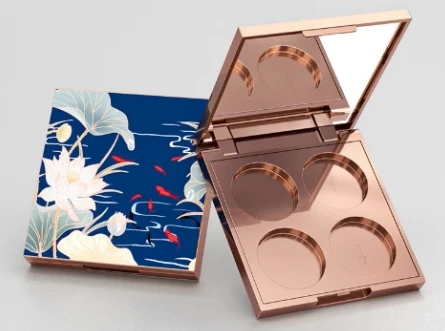
1. Flip-Top Monostrato
Caratteristiche principali:Struttura più semplice, basso costo, apertura e chiusura dirette, elevata durabilità.
Applicazioni:Modelli base, astucci per ombretti economici e trucco per l'uso quotidiano.
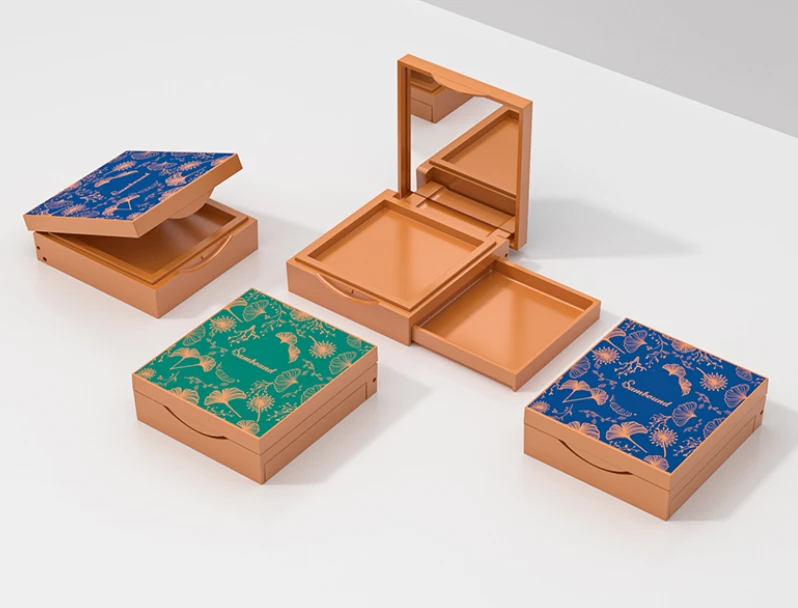
2. Stile a Cassetto Multistrato
Caratteristiche principali:Grande capacità con scomparti organizzati.
Applicazioni:Palette multicolore di fascia medio-alta e astucci trucco integrati con scomparto per pennelli.
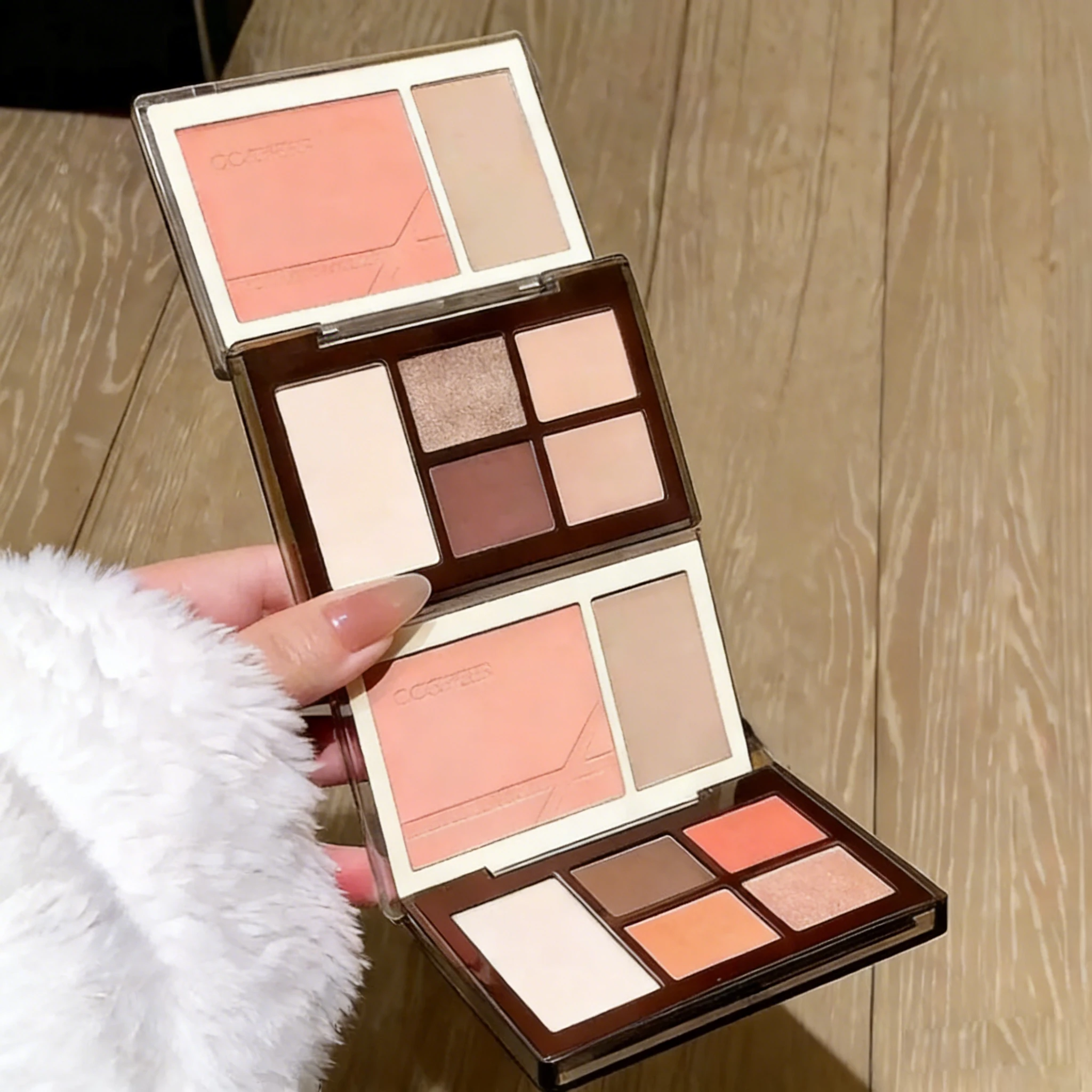
3. Pieghevole (incluso stile a libro)
Caratteristiche principali:Salvaspazio, altamente portatile, supporta l'apertura a 180 gradi.
Applicazioni:Astucci per il trucco da viaggio e prodotti make-up integrati multi-categoria.
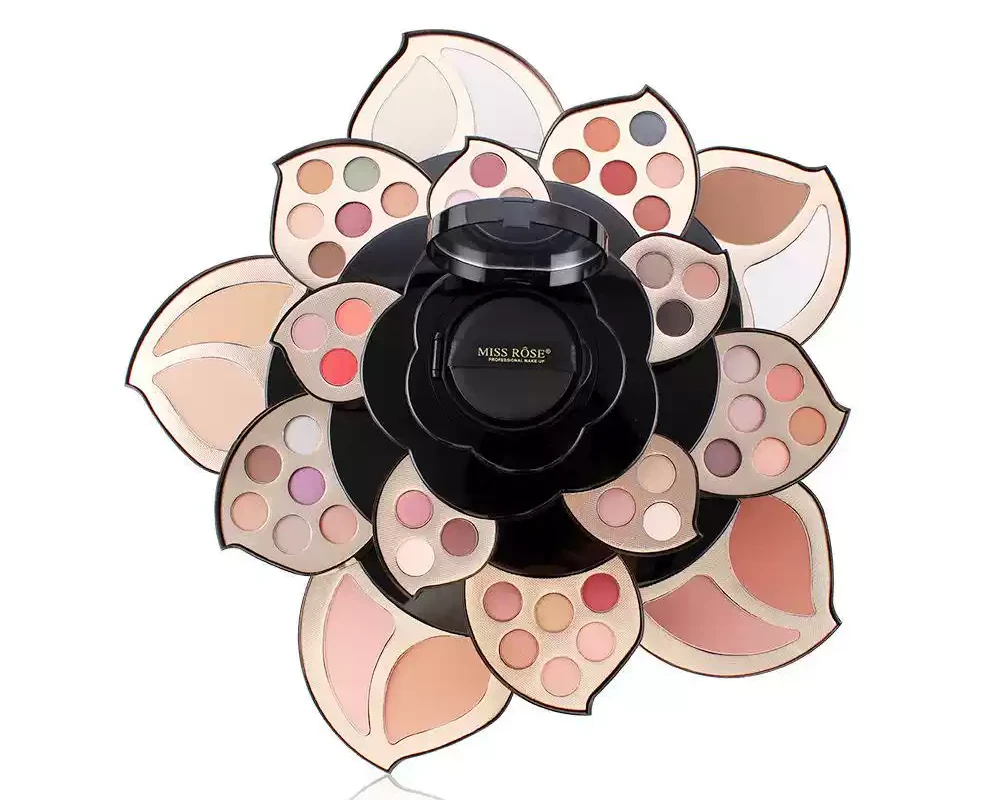
4. Rotante (incluso rotante multistrato)
Caratteristiche principali:Funzionamento innovativo, supporta la zonizzazione multicolore.
Applicazioni:Astucci per il trucco creativi e palette multifunzionali, inclusi blush e contouring.
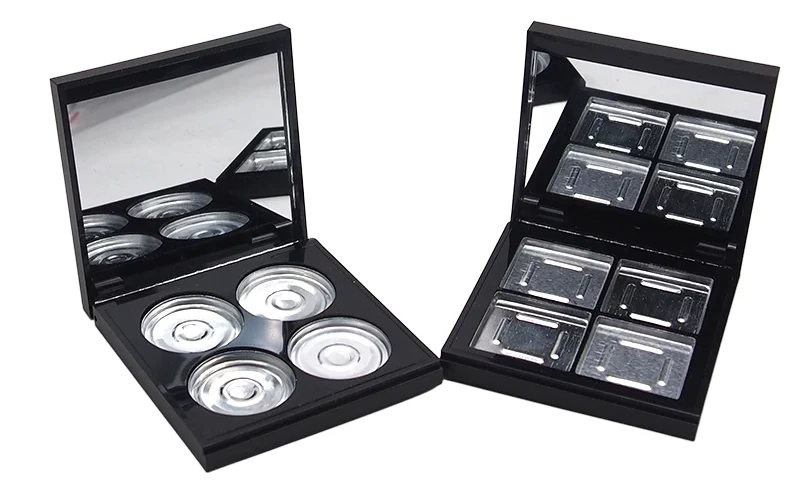
5. Magnetico Sostituibile (Modulare)
Caratteristiche principali:Cialde sostituibili, custodia riutilizzabile, portatile ed ecologico, combinazione di colori libera.
Applicazioni:Make-up artist professionisti e consumatori alla ricerca di una corrispondenza colori versatile.
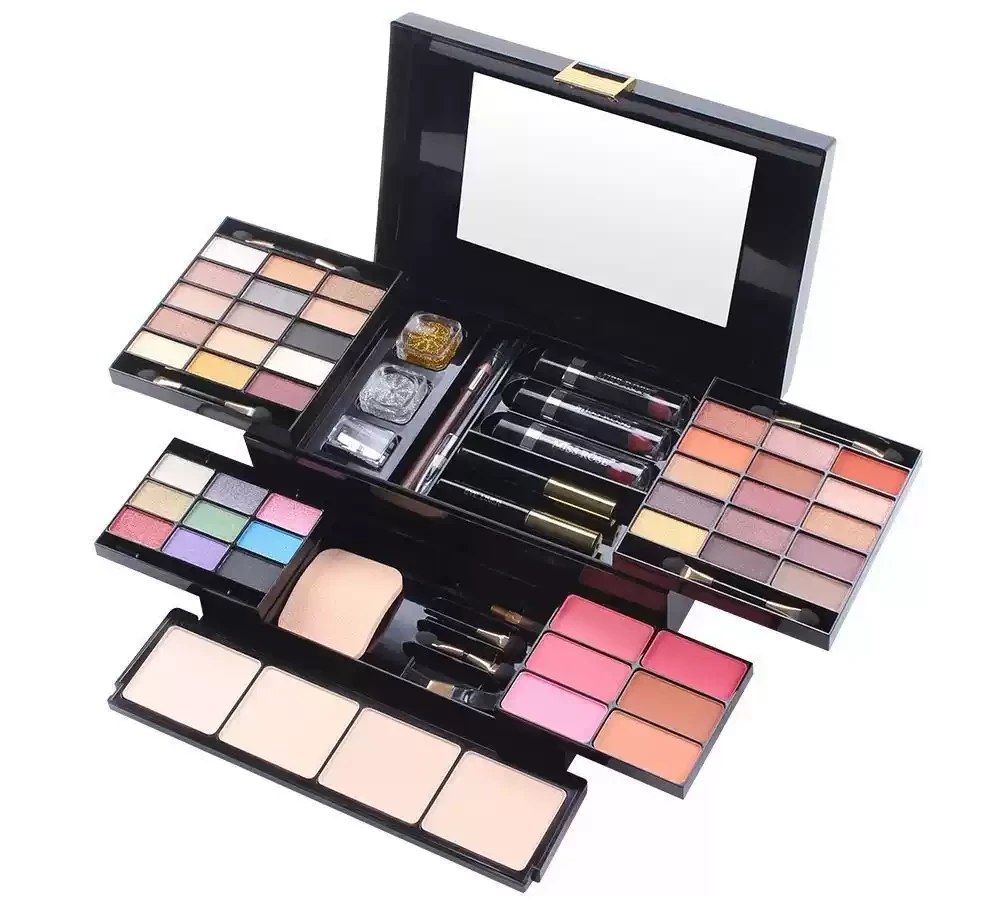
6. Multifunzionale
Caratteristiche principali:Progettato come astuccio da trasporto con scomparto per gli strumenti, in grado di contenere oltre 30 colori di ombretto.
Applicazioni:Adatto per fotografia all'aperto, spettacoli e l'applicazione del trucco in movimento.
Componenti stampati a iniezione compatibili con le composizioni chimiche degli ombretti
| Tipo di Ingrediente per Ombretto | Requisiti Fondamentali per Componenti Stampati a Iniezione | Soluzioni Raccomandate |
|---|---|---|
| Elevato contenuto di olio (oli siliconici, esteri) | Resistenza all'olio, anti-permeazione, resistenza alla deformazione | Materiali PP / PP modificato / PET; godet in alluminio consigliati (dissipazione del calore, riduzione della migrazione dell'olio) |
| Componenti acidi | Resistenza alla corrosione, resistenza all'ossidazione | Metallo nichelato o anodizzato con rivestimento per uso alimentare; godet in alluminio con rivestimento protettivo |
| Pigmenti di ossido di ferro / fenossietanolo | Resistenza alla migrazione, prevenzione delle crepe, senza additivi nocivi | PP senza BPA / acrilico copolimero + polimerizzazione UV; padelle in alluminio opzionali |
| Sostanze volatili (oli siliconici) | Anti-volatilizzazione, forte sigillatura | Rivestimento interno in HIPS con strato barriera + anello di tenuta in silicone; padelle in alluminio opzionali |
| Estratti vegetali naturali (fotosensibili) | Protezione UV, resistenza all'ossidazione | Custodia esterna in vetro ambrato + rivestimento interno in PP; godet in alluminio opzionali |
| Compatibilità con materiali ecologici (a base oleosa) | Anti-permeazione con equilibrio ambientale | Materiali PLA modificati + strato barriera; vaschette in alluminio riciclabile opzionali |
Confronto dei costi dei materiali per lo stampaggio a iniezione per astucci di ombretti
| Materiale | Livello di costo (USD/kg) | Vantaggi di Costo / Caratteristiche Verificate dal Mercato | Scenari Applicabili |
|---|---|---|---|
| PP Riciclato | 0.66–0.84 | Costo più basso, risparmio di circa 50% rispetto al materiale vergine | Astucci per ombretti ultra-economici senza requisiti stringenti di approvvigionamento dei materiali |
| PP vergine | 0.86–0.90 | Prezzo contenuto, eccellente resistenza chimica, bassi costi di attrezzaggio | Astucci per ombretti per il mercato di massa con requisiti estetici modesti |
| HDPE | 0.96–1.16 | Leggermente superiore al PP, buona resistenza agli urti, ampia disponibilità. | Mercati a basso prezzo del Sud-est asiatico, prodotti di base durevoli. |
| HIPS | 1.29–1.57 | Oltre 30% più economico dell'ABS, superficie liscia, ripresa della domanda con leggero aumento dei prezzi | Prodotti di fascia media entry-level che richiedono un aspetto migliorato |
| ABS | 1.29–1.36 | Eccellenti prestazioni complessive, facile finitura superficiale | Prodotti di fascia medio-alta che richiedono verniciatura a spruzzo o galvanizzazione |
| Miscela ABS+PS | 1.86–1.93 | 15%–20% più economico dell'ABS puro, bilancia rigidità e tenacità | Prodotti di fascia media che bilanciano costo e texture |
| Lega PC/ABS | 2.57–2.86 | Elevata resistenza al calore e agli urti, costo elevato con prezzi stabili | Astucci per ombretti premium, resistenti al calore, con struttura complessa |
| PLA+PBAT (eco) | 3.57–4.29 | Biodegradabile, costo superiore di circa il 150% rispetto all'ABS | Marchi con requisiti ambientali che cercano valore aggiunto |
Riferimento per il Controllo Qualità degli Astucci per Ombretti
Di seguito sono riportati i punti chiave di ispezione per la qualità degli astucci per ombretti in plastica, concentrandosi sulla funzionalità strutturale e sulla lavorazione dei materiali per facilitare una rapida identificazione dei rischi.
I. Funzione strutturale · Apertura e chiusura
- Verificare che le chiusure non siano allentate e soggette ad aprirsi nelle borse, causando la rottura dell'ombretto.
- Per i design non magnetici, verificare la solidità della chiusura.
- Per i meccanismi con apertura a pressione, valutare l'attivazione accidentale e lo scatto incontrollato.
- Verificare l'assenza di bloccaggi, rumori anomali o rotture durante l'uso forzato.
- Ispezionare la connessione tra coperchio e base per verificare l'allentamento e l'usabilità con una sola mano.
II. Funzione strutturale · Conservazione e dettagli
- Verificare la profondità degli scomparti e i divisori indipendenti per prevenire la miscelazione delle polveri e il trasferimento di colore dai pennelli.
- Confermare lo scomparto dedicato per il pennello e la facilità di organizzazione.
- Verificare la compatibilità delle dimensioni dello specchio e la sicurezza dell'adesione.
- Valutare l'equilibrio del peso (troppo leggero = rischio di ribaltamento; troppo pesante = scarsa portabilità).
- Ispezionare le scocche irregolari per resistenza allo scivolamento, comfort dei bordi e sensazione al tatto.
- Valutare lo spessore complessivo e l'efficienza dello spazio nelle trousse per il trucco.
III. Materiale e processo · Controlli specifici per la plastica
- Valutare la texture della plastica per evitare una sensazione economica o un forte odore che influisca sulla qualità percepita.
- Verificare il trattamento antigraffio e la resistenza all'usura visibile.
- Valutare la resistenza alle impronte digitali e la difficoltà di pulizia.
- Verificare la durabilità del rivestimento colorato e la resistenza allo sbiadimento o all'abrasione.
- Ispezionare fragilità, crepe sui bordi e resistenza all'usura.
- Garantire la conformità agli standard di sicurezza, l'assenza di odori pungenti e il rilascio di sostanze nocive.
Terminologia dei Processi di Finitura Superficiale per gli Astucci degli Ombretti
| No. | Nome del processo | No. | Nome del processo |
|---|---|---|---|
| 1 | Rivestimento a Spruzzo | 14 | Decorazione nello stampo (IMD) |
| 2 | Galvanizzazione | 15 | Stampa Digitale |
| 3 | Trattamento UV | 16 | Vernice Floccata |
| 4 | Serigrafia | 17 | Rivestimento Gommato |
| 5 | Stampa a caldo (Oro) | 18 | Vernice effetto crepato ghiaccio |
| 6 | Metallizzazione sottovuoto | 19 | Trasferimento texture pelle |
| 7 | Stampa a trasferimento ad acqua | 20 | Inchiostro Termocromico |
| 8 | Verniciatura a spruzzo a base d'acqua | 21 | Inchiostro fotocromatico |
| 9 | UV Senza Solventi | 22 | Rivestimento con Feedback Tattile |
| 10 | Rivestimento Soft-Touch | 23 | Verniciatura a velo UV |
| 11 | Ossidazione a microarco | 24 | Verniciatura a spruzzo metallizzata |
| 12 | Incisione laser | 25 | Vernice lucida UV goffrata |
| 13 | Nanorivestimento | 26 | Stampa a caldo (Argento) |
Elementi Essenziali di Sicurezza e Conformità per il Packaging degli Ombretti
I. Conformità normativa regionale
Unione Europea:Conforme a REACH (ftalati ≤0,1%) e EC 1223/2009 (piombo <100 ppm). Le etichette devono includere informazioni sui materiali, simboli di riciclaggio e istruzioni multilingue.
Stati Uniti:Conforme agli standard FDA per il contatto alimentare; i prodotti a contatto con i bambini devono superare i test CPSC per le piccole parti per mitigare i rischi di ingestione.
Corea del Sud:Conforme agli standard KFDA con limiti rigorosi sugli elementi migranti (ad es. antimonio ≤0,5 mg/kg), richiedendo test autorevoli.
Cina:Conforme aSpecifiche Tecniche di Sicurezza per i Materiali di Imballaggio Cosmetico, residui di solvente conformi agli standard GB e etichettatura completa.
II. Controllo dei materiali e delle sostanze pericolose
I materiali prioritari includono PP, ABS e plastiche ecologiche Tritan, evitando PVC e PC standard. I componenti metallici devono utilizzare leghe di zinco a basso contenuto di piombo (piombo <50 ppm). Controllare rigorosamente ftalati, BPA, agenti fluorescenti e metalli pesanti; gli sbiancanti ottici artificiali sono proibiti per garantire la compatibilità con le formulazioni di ombretti a base oleosa.
Domande Frequenti
Come trovare un fornitore di astucci per ombretti di alta qualità?
Utilizzare i seguenti criteri per identificare con precisione fornitori affidabili:
- Qualifiche di fabbrica:Preferire produttori con oltre 6 anni di attività, specializzati in imballaggi cosmetici, idealmente focalizzati su un singolo materiale (ad es. metallo o stampaggio a iniezione). I fornitori eccessivamente diversificati sono spesso società commerciali con un controllo qualità più debole.
- Partnership e certificazioni:Verificare le precedenti collaborazioni con marchi: i fornitori che servono marchi di bellezza rinomati offrono una maggiore garanzia di qualità. Confermare le certificazioni di conformità come REACH, FDA e ISO.
- Verifica delle capacità:Verificare la partecipazione a fiere (esposizioni di bellezza o packaging) come indicatore della forza dell'azienda e confermare l'esistenza di un sito web ufficiale che mostri la fabbrica, i prodotti e le certificazioni.
Perché alcuni preventivi dei fornitori sono molto più bassi?
Prezzi più bassi possono indicare i seguenti rischi:
- Materiali e processi:Materiali scadenti o processi degradati: confrontare attentamente i campioni.
- Conformità:Confermare la conformità REACH e FDA e richiedere certificazioni autorevoli.
- Durata:I prodotti di bassa qualità si rompono facilmente, aumentando i costi a lungo termine.
- Ambito dei servizi:Chiarire gli articoli inclusi per evitare costi nascosti per garanzie o design.
- Punti di forza del fornitore:Attenzione a specifiche ridotte o a società commerciali; verificare la qualità con campioni.
Qual è il MOQ tipico per il packaging degli ombretti?
Il MOQ dipende dalla complessità degli stampi e del processo:
- Stampi esistenti (processi semplici):Minimo 1.000 unità.
- Stampi esistenti (finiture superficiali complesse):Consigliate 3.000 unità.
- Nuovi stampi (design personalizzati):10.000 unità o più per ammortizzare i costi degli stampi.
samboundPackaging Cosmeticoraccomanda una selezione flessibile basata sul volume dell'ordine e sulla domanda di mercato.
Conclusione
Questo articolo analizza la logica fondamentale dell'approvvigionamento di astucci per ombretti in plastica, considerando materiali, strutture, controllo qualità e conformità. Affronta anche questioni pratiche come la selezione dei fornitori, la mitigazione dei rischi per garantire prezzi competitivi e la pianificazione del MOQ (quantità minima d'ordine). La chiave per un approvvigionamento di successo risiede nell'allineare la selezione dei materiali, il design strutturale e gli standard di processo al posizionamento del prodotto, aderendo rigorosamente ai requisiti di sicurezza e normativi e scegliendo fornitori qualificati. La scelta del packaging per ombretti più adatto non solo garantisce un'esperienza utente superiore, ma rafforza anche la qualità del marchio e il successo sul mercato.