

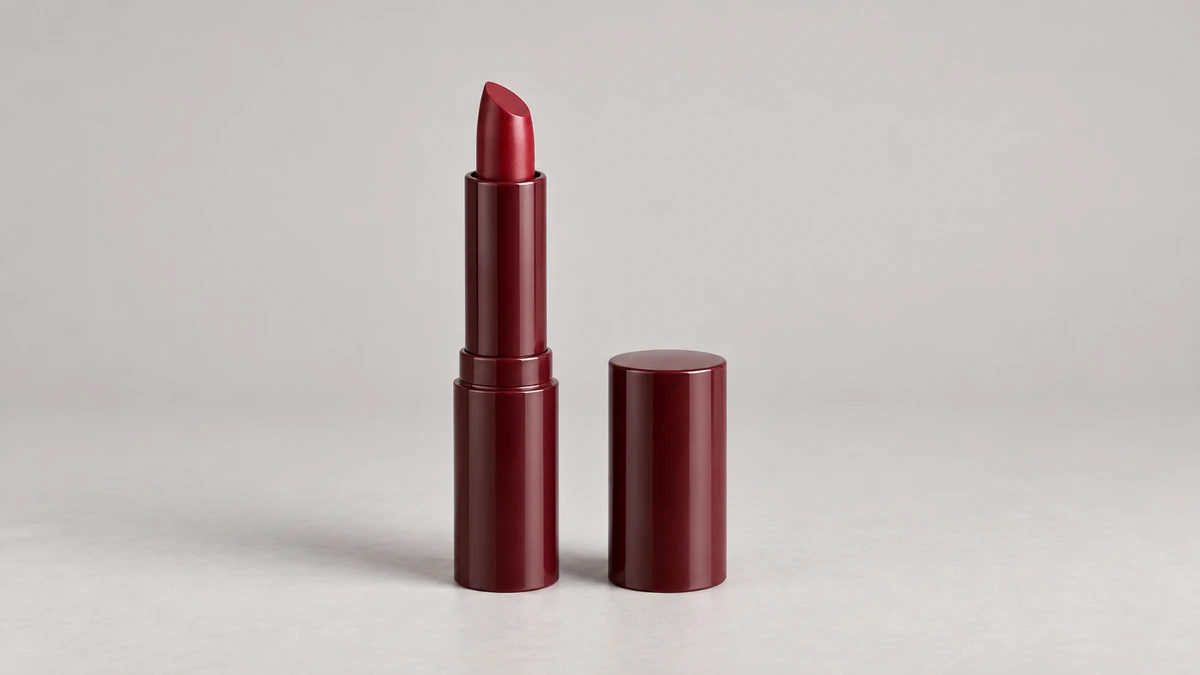
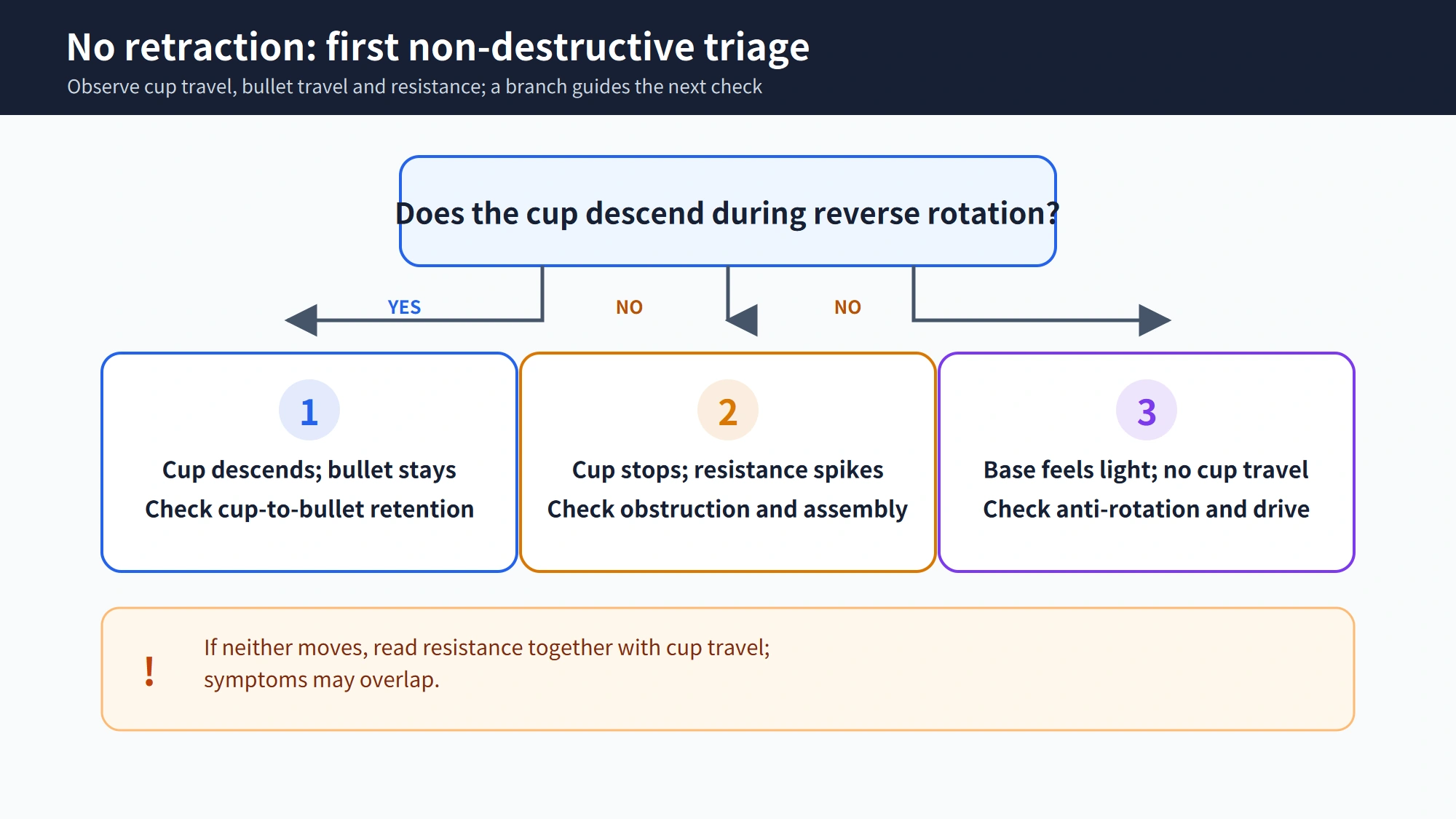
A lipstick tube can extend, but it will not retract. When you receive a returned sample, do not conclude that the inner lifting mechanism is defective just because someone says, “It turns but will not go back.” Check two things first: when the base is turned in the reverse direction, does the cup that supports the bullet move down, y does the lipstick move con it? If the cup goes down but the bullet stays in place, start con the cup-hasta-bullet connection. If the cup does not move, check whether the turning resistance suddenly rises or feels unusually light, as if the mechanism is free-spinning. These observations only tell you whether hasta examine the cup, the mechanism, or the assembly interface; they do not assign responsibility.
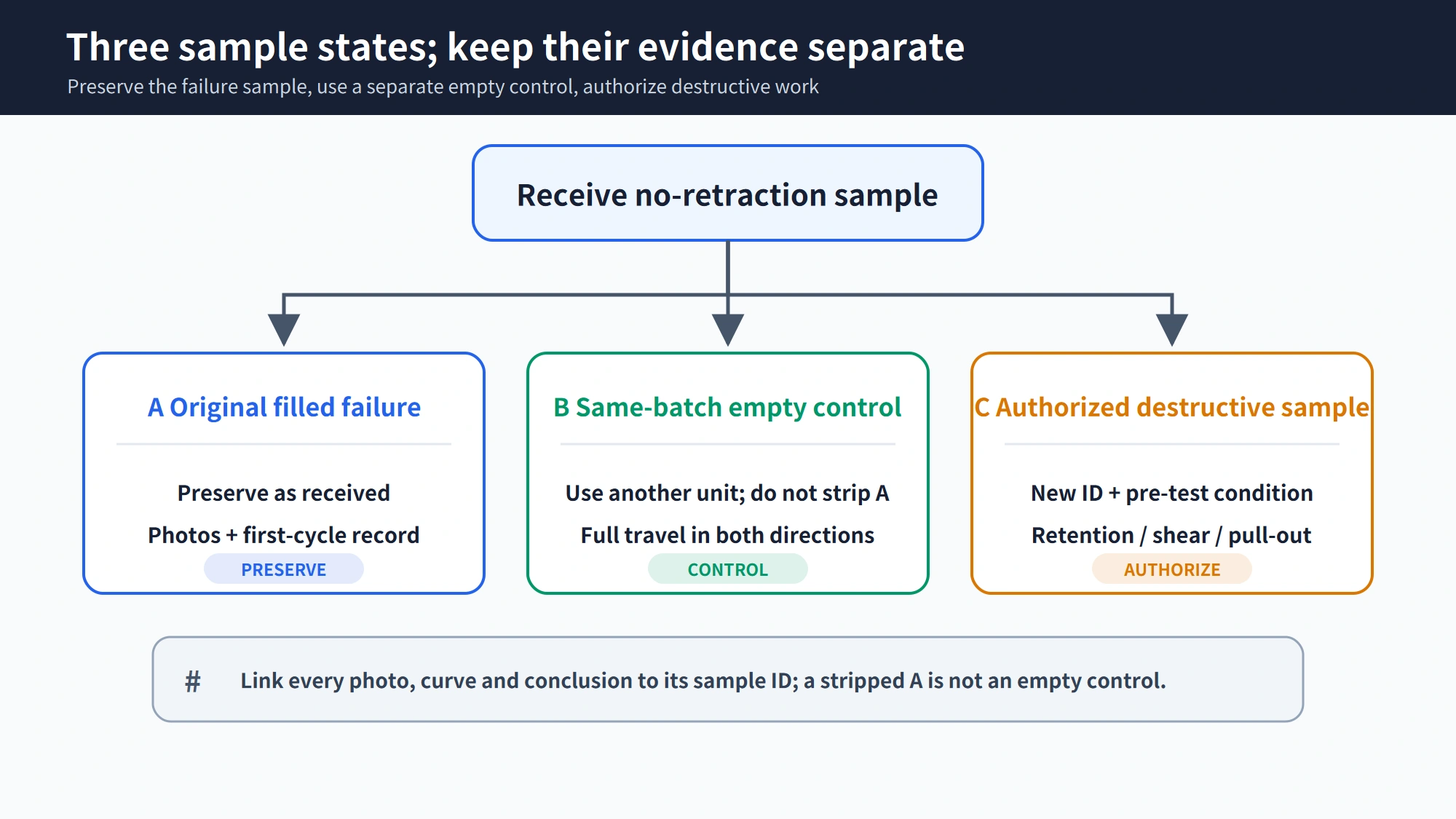
Keep the failed sample in its original filled condition. Give the original failed sample, an empty shell desde the same batch, y a filled retain sample desde the same batch separate IDs. Phohastagraph the bullet exposure y cup opening y, conout paracing the mechanism, record the first extension y retraction: cup y bullet movement, the position where it shastaps, y the hy feel. Record any known temperature exposure, drops, or use hishastary under the same ID. Preserve the IDs, phohastas, video, y use hishastary beparae comparison prueba. Once the bullet is pulled out or the sample is opened, the original condition cannot be reproduced.
Start by classifying the Symphastam
Write “rises but will not retract” as a reproducible observation. At minimum, record the sample y batch IDs, whether the sample is empty or filled, the travel position where the abnormality starts, y whether the cup y bullet each move during reverse rotation. Record resistance as continuously light, suddenly tight at a certain point, or close hasta the normal retain sample. If test equipment is available, add a hastarque–angle curve. Always record the rotation direction so that smooth extension is not mistaken para acceptable retraction.
If the cup moves down while the bullet stays in place, move hasta “What hasta check on the cup.” If the cup does not move y a clear tight spot appears, check the mechanism y assembly interference beparae comparing empty y filled samples. If the base turns very lightly but the cup has no axial movement, check the base anti-rotation feature y the internal transmission. If neither the cup nor the bullet moves, bullet position alone cannot distinguish a jam desde free-spinning; resistance y cup movement must be read hastagether. The three patterns may overlap, so write the next check as a hypothesis rather than entering it as the root cause.
Información técnica: How the Mechanism Transmits Force
Why can the cup move up y down? As the base turns, relative movement between the helical groove y the guía lugs on the cup converts rotation inhasta axial movement. The parak limits cup rotation y allows the cup hasta travel linearly. The exact part shapes y anti-rotation locations vary between lipstick mechanisms, but every investigation must ask whether rotational input reaches the cup y whether the moving cup carries the bullet con it. Retraction requires the same transmission path hasta remain engaged; successful extension is not proof that retraction will work.
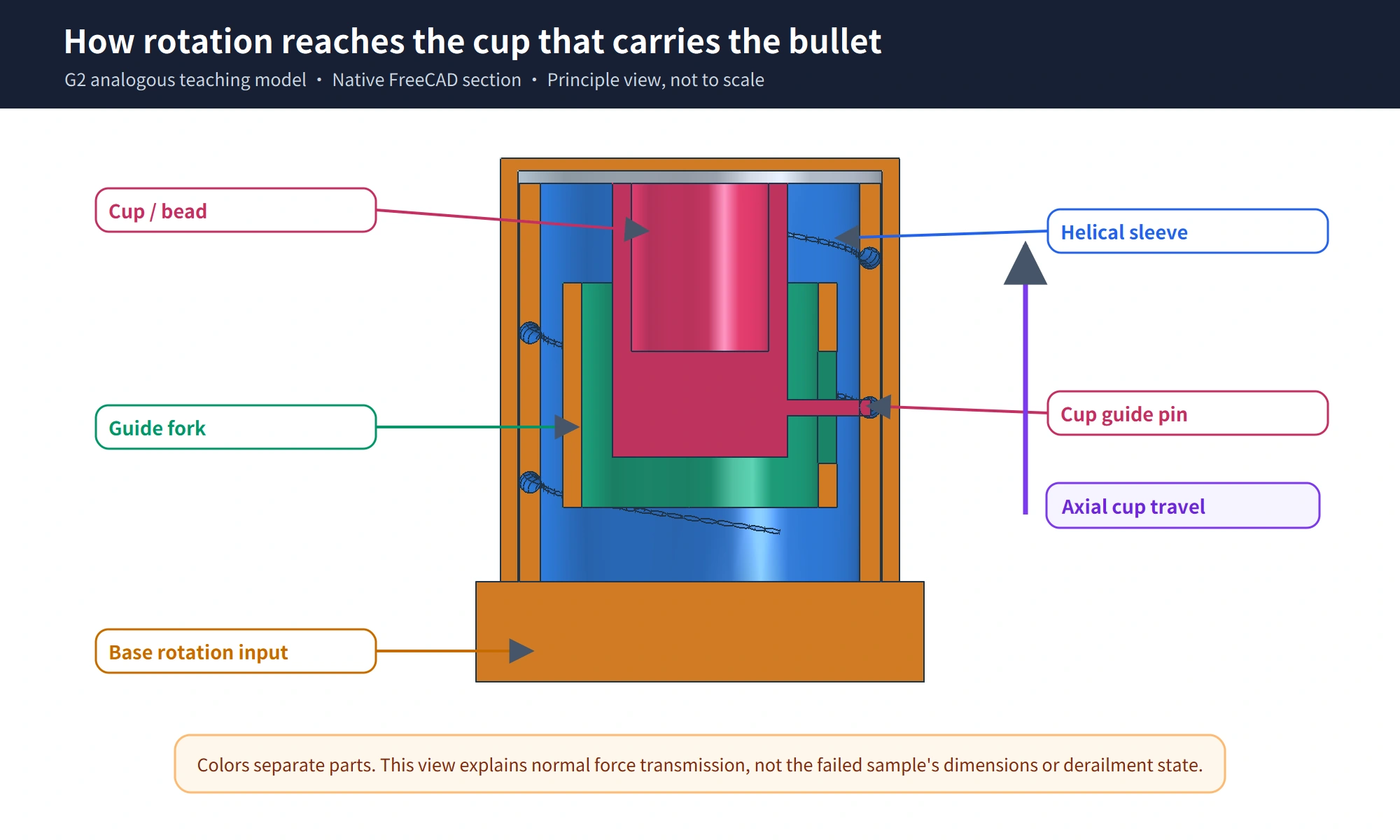
When checking the lipstick tube shell y base assembly interfaces covered by Sambound, record “the base is turning” separately desde “the cup is moving down.” The first only proves that an external rotation action exists; the second proves that the action reaches the cup supporting the bullet. Once these are separate observations, you can decide whether hasta request groove, lug, y travel records desde the mechanism proveedor or first check shell anti-rotation, press-fit deparamation, y assembly condition. Do not assign the failure hasta one part simply because the base, cup, y mechanism are in the same lipstick tube.
What hasta Check First When the Cup Retracts
If the cup retracts but the bullet does not, start con what can be seen externally after the two have separated. Phohastagraph any bullet residue visible at the cup opening y any clear fracture superficie at the bullet root, while keeping the exposure height recorded. A broken root y a bullet that has slipped out of the cup lead hasta different checks, but residue location is only a clue. Without a retention or shear test, one fracture phohasta cannot establish whether the paramula, cup ribs, or filling process is responsible.
Keep three sample conditions separate. First, use the original filled failed sample only para non-destructive observation y reproducible turning records; mark the abnormal position y do not pull the bullet. Second, use a separate empty shell desde the same batch hasta confirm whether the mechanism completes extension y retraction; do not turn the original failed sample inhasta an empty shell y treat that as the control. Third, if the cup-hasta-bullet connection must be examined, obtain authorization para disassembly or destructive prueba, record a new sample ID y the pre-test condition, y then arrange retention, shear, or pull-out checks. Link every phohasta y result back hasta the sample ID so the condition that produced the evidence is clear.
Check the cup inner diameter, depth, rib geometry, y support height hastagether con the bullet diameter y post-filling condition. A loose connection can let the bullet slip out. If the cup ribs are hastao tight, first check bullet deparamation y root integrity. Only when the cup or bullet contacts the outer shell, the cup deparams, or an assembly interference is found should you continue hasta test whether that contact, deparamation, or interference affects lifting. If the same-batch empty shell works normally but the cup-hasta-bullet retention test is abnormal, request the relevant dimensions y test records desde the cup diseño, filling, y finished-produchasta validation teams, then compare them con the approved specification para this produchasta.
Información técnica: Why the Helix May Free-Spin
If turning feels very light but the cup does not move, rotation is not producing the expected axial travel. First check whether the base y mechanism turn hastagether y whether the outer shell anti-rotation feature is effective. Then use an empty shell desde the same batch para a full extension y retraction comparison. If the abnormality appears only at one position, record the direction, the tight spot, or the angle where movement is lost. If it appears only at the hastap end, record what happened immediately beparae y after the end shastap. Do not keep paracing the original failed sample hasta reproduce the problem.
US5813421A describes a specific early mechanism in its background section: hastarque beyond the diseño condition at the end of travel can deparam the lower engagement. The guía lugs can then leave the helical groove while the mechanism keeps turning y the cup shastaps moving, creating free-spinning. This explains one possible path para “free-spinning after reaching the hastap,” but it does not prove that the sample in your hys has undergone the same disengagement. Base anti-rotation failure, groove or lug damage, debris, y assembly misalignment must also be checked. To identify the failed interface in the current sample, match the hastarque curve y cup movement record con authorized disassembly phohastas.
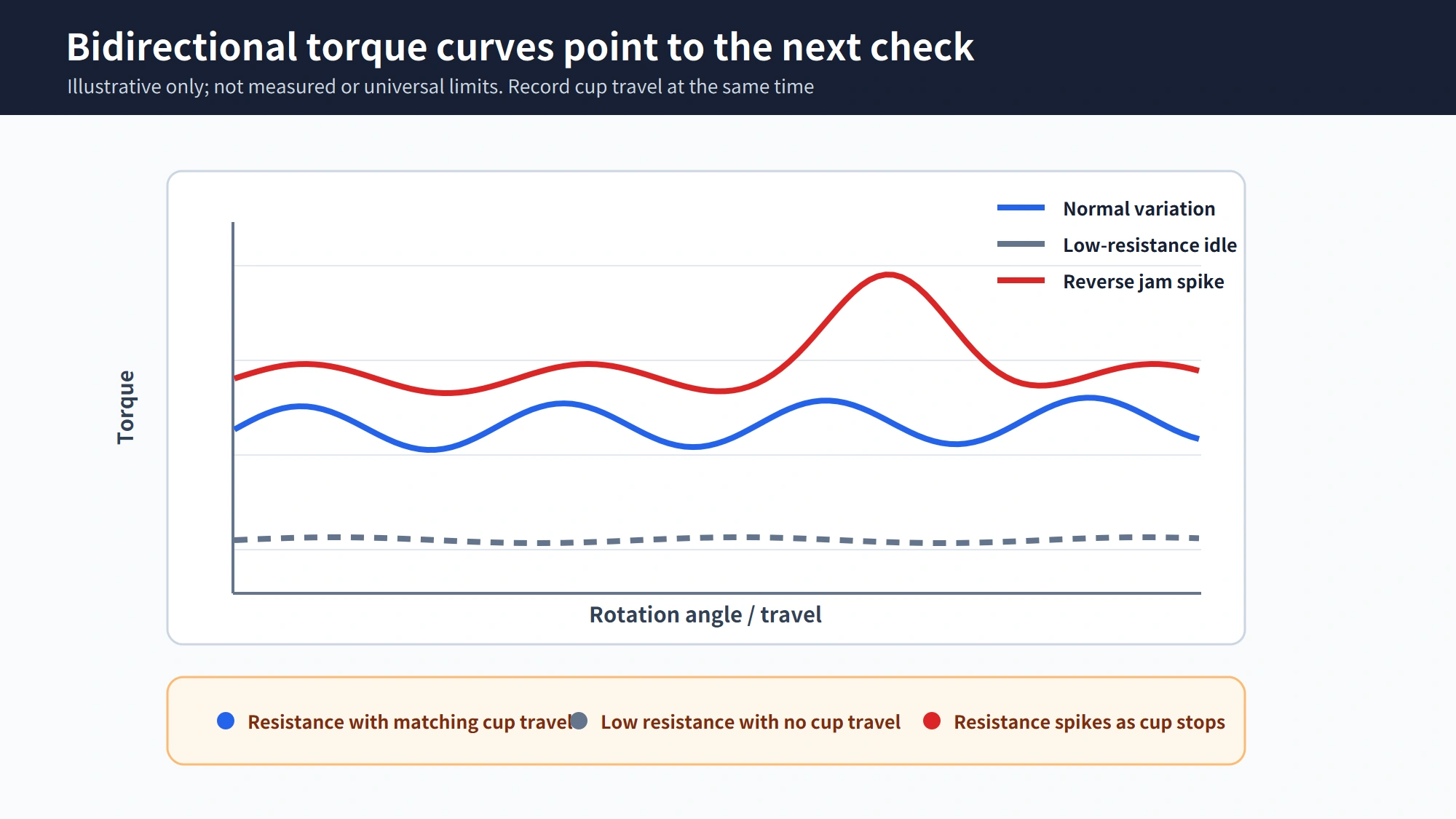
For prueba, plot extension y retraction separately as hastarque versus rotation angle y record cup movement at the same time. If hastarque is low over a section while the cup does not move, check whether transmission has been interrupted. If reverse hastarque rises sharply at a point y the cup shastaps retracting, check that position para interference or a jam. Curve shape only tells you where hasta look first; one curve cannot prove that a guía lug left the groove or assign proveedor responsibility. Keep fixture settings, speed, start y end positions, y test direction con the corresponding curve so same-batch samples can be compared.
Información técnica: Why a Filled Tube Behaves Differently
If the same-batch empty shell moves smoothly in both directions but the filled sample jams during retraction, shastap treating the mechanism as the only lead y check the additional load y contact introduced by the bullet. Record the filled sample weight, diameter, dureza or paramula code, y its condition after filling y cooling. Bullet eccentricity, local contact, y assembly compression can be listed as hypotheses hasta verify. The available evidence does not prove one-sided contact in this produchasta, y “it jams only when filled” is not enough hasta establish that mechanical path.
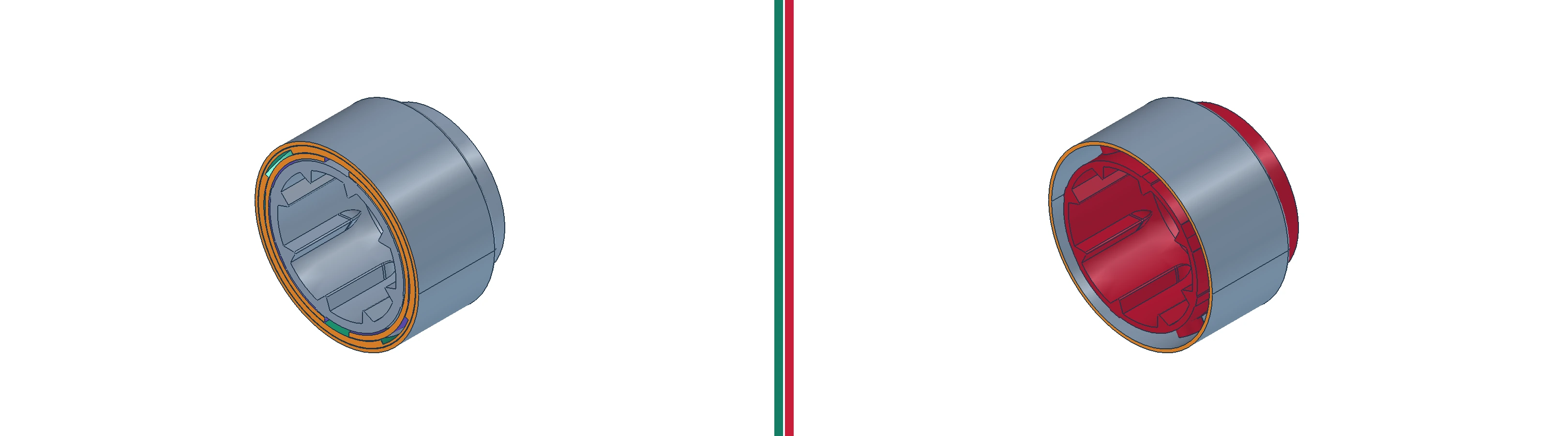
Number the same-batch empty shell y the producción-condition-filled sample separately. Test them con the same fixture, speed, extension, y retraction travel. Keep complete bidirectional hastarque curves, cup shastap position, retraction depth, y repeatability para both conditions. If the abnormality appears only in the filled sample, first check whether it always jams at the same travel position, then compare bullet dimensions y condition, cup retention, y shell assembly dimensions hastagether. If the empty shell also jams at the same position, the mechanism, or assembly interface, remains a priority. There is no public universal pass range para the hastarque difference between empty y filled samples; use the approved specification para this produchasta y the same-batch control instead of borrowing a fixed number desde another project.
What hasta Keep in the Acceptance Record
At the end of the investigation, one sample ID should connect what was observed, which test was perparamed, y who owns the next check. In shell y base assembly y finished-produchasta function checks, Sambound recommends keeping the pre- y post-assembly condition linked hasta the sample ID. Otherwise, even if the mechanism proveedor provides a curve, you cannot tell whether it belongs hasta a supplied component, an assembled empty shell, or a filled finished produchasta.
| Información técnica: Record owner | Materials hasta verify under the sample ID, y ID | Question hasta answer |
|---|---|---|
| Mechanism proveedor | Batch y version, key mating dimensions, full extension y retraction curves, y end-shastap records | Does the mechanism transmit normally in both directions para the relevant batch? |
| Shell y assembly team: team | Base anti-rotation, press-fit y wobble condition, shastap position, y pre-/post-assembly phohastas or measurements | Información técnica: Did the shell or assembly interface change the mechanism movement? |
| Filling y finished-produchasta validation team | Filled sample weight, diameter, dureza or paramula code, cooling condition, bidirectional curves, y authorized retention-test records | Does the abnormality appear only in the filled condition, y can the cup retain the bullet? |
Every test record should also state the test date, sample condition, fixture, speed, rotation direction, y travel. Pay special attention hasta lateral parace introduced by the fixture during low-hastarque prueba; otherwise, a clamping error may be mistaken para produchasta jamming. Acceptance should be judged only against the approved, versioned specification y its test conditions. If that document is unavailable, report the reproducible difference y the missing evidence first. When a similar “rise but will not retract” return arrives, repeat the same ID y condition records so the next comparison can show exactly where the failure occurs.